
3 Perks Of Switching To A Smart Thermostat For Savvy Homeowners - BGR
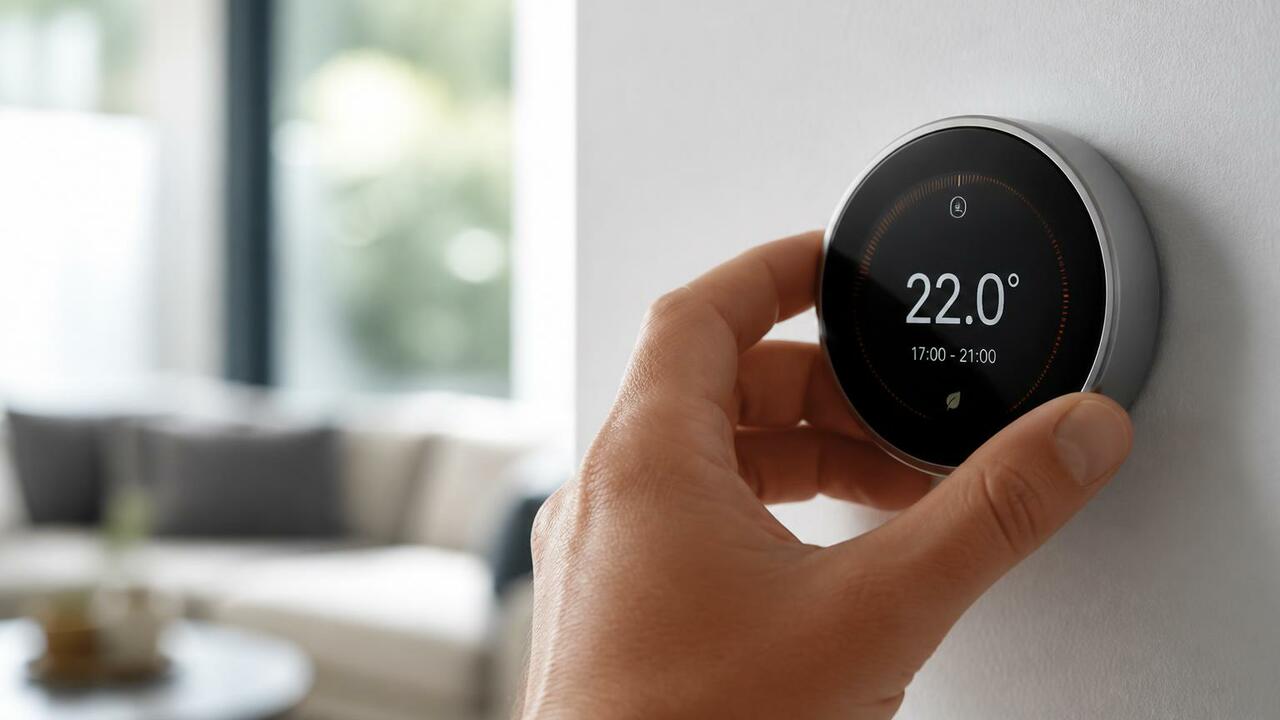
AI Изображение создано с помощью ИИ и носит иллюстративный характер
Upgrading a home with modern tech used to require an enormous budget, but, thankfully, the gadget landscape has changed in recent years. A gadget once viewed as a flashy luxury for early adopters has now become a commonplace essential for any connected house. Savvy homeowners know that tearing out that ancient, yellowing plastic temperature dial on the wall is one of the easiest and most affordable tech upgrades you can make. Данную информацию сообщает портал BGR.
Smart thermostats have moved way past basic heating and cooling tricks; in fact, there are plenty of things you probably didn't know your smart thermostat could do. You likely already know that smart thermostats let you adjust your home's temperature from the comfort of your couch, and they can even learn and automatically adjust to your usage habits. But there are other perks to switching to a smart thermostat, like that they're less expensive than they used to be and they pay for themselves pretty quickly thanks to all the energy they save. They also offer a smoother smart home experience via better wireless standards as well as room sensors for zone-by-zone cooling. Altogether, that's pretty handy and easy on the wallet.
These clever devices are a terrific way to modernize your home. Let's look at the top perks of switching to a smart thermostat so we're clear on why this simple piece of hardware is the ultimate control center for any forward-thinking homeowners.
Affordable prices
Khosro/Shutterstock
One of the best things about smart thermostats is how affordable basic models have become. When these devices were new, they were pricey and you only had a few options to choose from. Now, you can get basic, budget-friendly options from the likes of Google and Wyze for around $100, if not under.
There are also way more brands to choose from these days, and we've listed 10 major smart thermostats ranked worst to best. Having more options makes it easy to find an affordable thermostat that has the features you want and is in your preferred smart home ecosystem. Manufacturers have upped their game, as well. While entry-level options are solid, mid-level and premium smart thermostats offer up a slew of handy features like crisp touchscreens, built in air quality monitors, eco-friendly usage settings, and support for multi-room sensors.
When you combine these lower prices with often-available local utility rebates and other incentives, the savings add up. Power companies desperately want households to cut back on energy use during peak hours to keep the electrical grid from buckling and to slowly help modernize the grid, so it's not uncommon for power companies to give away smart thermostats for free. The takeaway here is massive: buying a smart thermostat is no longer a luxury purchase. Plus, tapping into these financial incentives turns a potentially pricey piece of tech into an instant money-saver.
The end of platform lock-in
Google/Amazon
For years, smart home gadgets usually locked users into one specific ecosystem, whether they liked it or not. Thankfully, newer smart thermostats are finally embracing universal connectivity standards like Matter and Thread. They let devices from any brand talk to each other locally and quickly, skipping the annoying cloud delays and ecosystem lock in that hindered older smart gear.
Because of these universal standards, picking a smart thermostat is no longer about aligning your home with Google Assistant, Apple HomeKit, or Amazon Alexa. With them, you're free to choose gadgets based on their features, rather than what kind of compatibility they offer. And if your household happens to swap from iOS to Android a few years down the road, that's no problem. Your smart thermostat can stay put, and you won't need to suffer through a painful reset just to appease a new digital assistant god.
This universal playbook is the ultimate way to future-proof your smart home, and it keeps things running quickly and smoothly. Savvy owners can finally enjoy the absolute best smart hardware by upgrading to a Matter- or Thread-enabled model.
Micro-zoning with sensors
Honeywell/Amazon
Smart thermostats are an enormous leap forward in home climate technology, and they fix a decades-old problem: that your hallway thermostat is a terrible judge of the actual temperature throughout your home. There are bad places to put a smart thermostat, like right by a door, and if you end up relying on its one lonely sensor, that can easily lead to freezing bedrooms or stuffy home offices. To fix this, advanced setups from brands like Ecobee and Honeywell now use a network of tiny sensors tucked into specific rooms. These little nodes constantly feed temperature measurements back to your smart thermostat.
Sensors can change everything about how a house stays comfortable. Instead of just blindly blasting the AC until the hallway cools down, a sensor-based system uses data from these extra nodes to build a live, room-by-room temperature map of your house. They also pack built-in motion detectors, which helps them figure out where people are currently hanging out.
By pairing your smart thermostat with a sensor ecosystem setup, it can dynamically tweak the temperature for the rooms people are actually using. It'll gladly let an empty guest room get a little toasty if it means keeping your bedroom cool for sleeping. This micro-zoning setup proves the system isn't just randomly using up energy when the house is empty; it's actively working to deliver those must-have cool temps exactly where they're needed the most.